Your credit score doesn't define your worth, but it does affect your financial opportunities. Whether you're rebuilding from a rough patch or establishing credit for the first time, we'll show you the practical steps to improve your score and achieve your financial goals.
Explore Your Options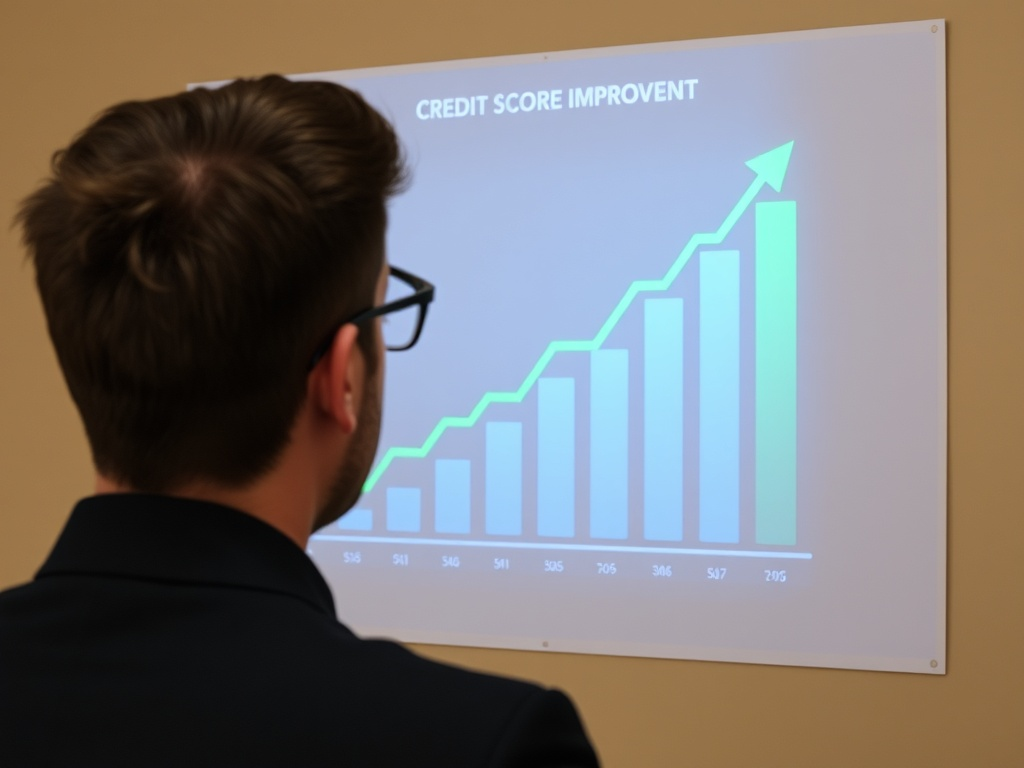
Your credit score is a three-digit number (typically 300-850) that lenders use to assess your creditworthiness. It's based on your credit history and shows how likely you are to repay borrowed money on time. Credit scores are calculated by credit bureaus using information from your credit report.
Your track record of paying bills on time is the biggest factor. Even one late payment can hurt your score, but on-time payments rebuild it. Collection accounts, charged-off accounts, and foreclosures have major negative impacts.
This is how much of your available credit you're using. If you have a $5,000 credit card limit and a $4,000 balance, you're using 80%—which hurts your score. Aim to keep utilization below 30%.
Older accounts help your score. This is why it's not always good to close old credit cards—keep them open with zero balance to maintain your average account age and available credit.
Lenders like to see you can handle different types of credit: credit cards, car loans, mortgages, etc. A healthy mix shows responsibility, though don't open accounts just to diversify.
Hard inquiries (when you apply for credit) can temporarily lower your score. Multiple inquiries in a short time suggest financial desperation and hurt your score. Soft inquiries (like checking your own credit) don't affect your score.
Get your free credit reports from annualcreditreport.com (the only official free source). You're entitled to one free report per year from each of the three bureaus: Equifax, Experian, and TransUnion. Check for errors and dispute any inaccuracies.
If you find errors, dispute them with the credit bureau in writing. Errors like accounts that aren't yours, wrong balances, or incorrect payment history can be removed, sometimes improving your score significantly.
This is the most important step. Set up automatic payments or calendar reminders. Even one late payment can hurt your score by 100+ points. Focus on paying on-time to gradually rebuild your history.
Try to pay down credit cards to below 30% of their limits. If you have a $5,000 limit, aim for a balance under $1,500. This has an immediate positive impact on your credit score.
Keep old accounts open (especially if they have positive payment history). Closing them reduces your available credit and shortens your credit history—both hurt your score. Just keep them inactive instead.
Ask a family member with good credit if you can be added as an authorized user on their credit card account. Their positive payment history can help boost your score.
If you can't get approved for regular credit cards, a secured card (backed by a cash deposit) can help you build credit. Use it responsibly and pay on time—many graduate to unsecured cards after 6-12 months.
If you have accounts in collections, contact the creditor about settling or paying them off. Even paid collections remain on your report, but paid is better than unpaid. Ask if they'll remove it entirely.
Check your credit periodically (many lenders and credit cards offer free score monitoring). Celebrate small improvements—they're proof your efforts are working.
Credit building isn't overnight, but consistent positive action pays off. Here's what you can typically expect:
3-6 Months
First Positive Changes
If you start paying on time and lower your credit card balances, you should see small improvements in 3-6 months.
6-12 Months
Notable Improvement
After 6-12 months of on-time payments and lower balances, your score can increase by 50-100+ points.
1-2 Years
Significant Progress
Most people see substantial improvements within 1-2 years of consistent positive credit behavior.
2+ Years
Excellent Results
After 2+ years of perfect payment history, your score can improve dramatically. Even past-due accounts start aging off after 7 years.
Good news: You don't have to wait for perfect credit to get a mortgage. TRI-GLOBAL EQUITIES works with borrowers at all credit levels. Even if you're rebuilding, we can help you find loan options that fit your situation.
Don't max out credit cards — Keep balances well below your limits
Don't apply for multiple cards at once — Multiple hard inquiries hurt your score
Don't ignore bills — Late payments have major negative impact
Don't close old accounts — Maintain your credit history length
Don't co-sign loans — You're responsible if the other person defaults
Don't ignore collections — Address them proactively to minimize damage
You don't need perfect credit to qualify for a mortgage. TRI-GLOBAL EQUITIES specializes in working with borrowers at all credit levels. Let us show you your options today.
See Your Options Now